
Home/General Contracting
CSLB #1006147, and how to check it
General Contracting
A licensed California general contractor holds the prime contract, pulls the permit in its own name and answers for the result. This page sets out our licence in full, and how to verify any contractor bidding your project, including us.
What does a general contractor do?
A general contractor holds the prime contract for the whole of the work, pulls the permit under their own licence, sequences the trades around the inspection points and answers for the result. Ecostep, Inc. holds CSLB licence #1006147 with four classifications: B general building, C-2 insulation and acoustical, C-6 cabinet and millwork, and C-36 plumbing.
This page covers what a general contractor is responsible for, our licence in full so you can look it up, a seven-step method for checking any contractor including the California home improvement contract rules and the statutory down payment limit, and what changes if you pull the permit yourself. It is general information about California law and not legal advice on your contract.
What a general contractor does
Holds the prime contract, and carries the responsibility that comes with it.
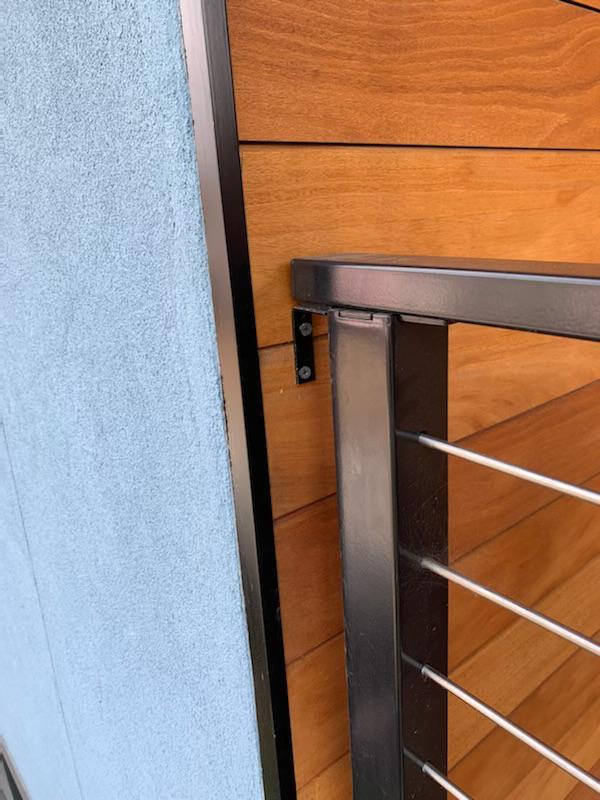
The word gets used loosely. What it actually means is a licensed party who contracts for the whole of the work, pulls the permit in their own name, sequences the trades and answers for the result.
| Responsibility | What it involves |
|---|---|
| Holding the prime contract | One contract for the whole scope, rather than you signing separately with a framer, a plumber and an electrician and coordinating between them. |
| Pulling the permit | The application goes in under the contractor's licence number, which means the work is inspected against that licence rather than against you as an owner-builder. |
| Sequencing the trades | Rough plumbing and electrical before insulation, insulation before drywall. Each inspection gates the next stage, and a missed sequence means opening up finished work. |
| Site control | Mobilisation, onsite supervision, sanitary facilities, temporary fencing and security, protection of trees and planting, and progress cleaning through the job. |
| Administration | Requests for information when drawings are silent or conflict, change order tracking with approvals and denials recorded, progress assessment, and invoicing tied to work actually completed. |
| Closing it out | Final inspection, sign off, and a project summary that reconciles the original bid against what was built. |
Our licence
Four classifications, and the number you can check it against.
Ours is set out in full below, so it can be verified at cslb.ca.gov.
| Item | Detail |
|---|---|
| Licence number | 1006147 |
| Status | Active, expires 31 August 2027 |
| Entity | Ecostep, Inc., a California corporation |
| Classifications | B general building, C-2 insulation and acoustical, C-6 cabinet, millwork and finish carpentry, C-36 plumbing |
| Responsible managing officer | Amer Abusafieh, President. Licensed California general contractor since 2003, in the trades since January 1986 |
| Managing partners | Amer Abusafieh, Brandon Cody Sr., Brian Newth |
| Counties served | Contra Costa, Alameda, San Francisco, San Mateo, Santa Clara, Marin |
| Permitted work on public record | ADUs in Alameda, Berkeley and Concord. Whole-house remodels in Berkeley and Fremont. Kitchen and bathroom work in San Francisco, Belmont and San Leandro. Recorded values $25,000 to $210,000 |
Due diligence
How to check any contractor in about five minutes.
Five minutes at cslb.ca.gov and a careful read of the contract covers most of it. The same checks apply to us.
-
01
Look the licence up at cslb.ca.gov
Search the number at cslb.ca.gov. Confirm it is active, confirm the expiry date, and confirm the name on the licence matches the name on the contract you are being asked to sign. A licence in a different entity's name is not your contractor's licence.
-
02
Check the classification covers your work
A classification is a scope, not a badge. B is general building. C-36 is plumbing. C-10 is electrical. A contractor holding only a specialty classification cannot lawfully hold the prime contract on a whole structure, so a bid for a whole remodel should come from a licence carrying a B.
-
03
Check the contract is written and carries the required clauses
California requires a home improvement contract to be in writing, legible, signed by both parties, with a signed copy given to you before work begins. It must carry the contractor's name, business address and licence number, a thorough description of the work, the start date and an estimated completion date, and the address for a notice of cancellation.
-
04
Know the statutory down payment limit
Under Business and Professions Code section 7159.5, the down payment on a home improvement contract may not exceed $1,000 or 10 per cent of the contract price, whichever is less. The statute also requires that limit to be stated in the contract in bold type, and it applies whatever the contract itself says.
-
05
Check the progress payment schedule
The contract must contain a schedule of progress payments, and each payment may not exceed the value of the work and materials actually incorporated into that phase. In other words you should never be paying for work that has not happened yet, beyond the capped down payment.
-
06
Look for the mechanics lien warning and get lien releases
A home improvement contract has to include a mechanics lien warning. On paying for a completed phase you are entitled to lien releases, and you may withhold further payment until they are provided. That is your protection against a subcontractor who was never paid placing a lien on your house.
-
07
Confirm the notice of your right to cancel is there
A home improvement contract must include notice of the right to cancel within the statutory period. If that notice is missing, the owner can rescind the contract at any time. Its absence is a serious signal about how the rest of the paperwork has been handled.
Every item above comes from California Business and Professions Code sections 7159 and 7159.5 and Civil Code section 1689, and the down payment and progress payment limits are set out in the CSLB's own industry bulletin. Violations can be reported to the Contractors State License Board. This is general information about California law, not legal advice on your contract. Checked September 2026.
Owner-builder
What you take on if you pull the permit yourself.
Pulling your own permit as an owner-builder is legal, and occasionally the right call. It changes several things worth understanding before agreeing to it.
- You become the responsible partyThe permit is in your name, so code compliance and every development standard across the whole project sit with you rather than with a licensed contractor.
- You are coordinating the tradesIncluding the sequence that the inspections gate. Rough plumbing before insulation, insulation before drywall. Getting that order wrong means opening finished work.
- The consumer protections changeThe home improvement contract rules above exist between a homeowner and a licensed contractor. Your position is different when you are the permit holder.
- It can affect resaleOwner-builder permits and unpermitted alterations both surface during a sale, and both get discounted by buyers and lenders.
- Who can pull itOnly a licensed party holding the right classification can pull the permit. If it is suggested that you pull it instead, the classification held is the thing to check.
On our projects we pull the permit. The application goes in under CSLB #1006147 and the work is inspected against our licence.

What we take on
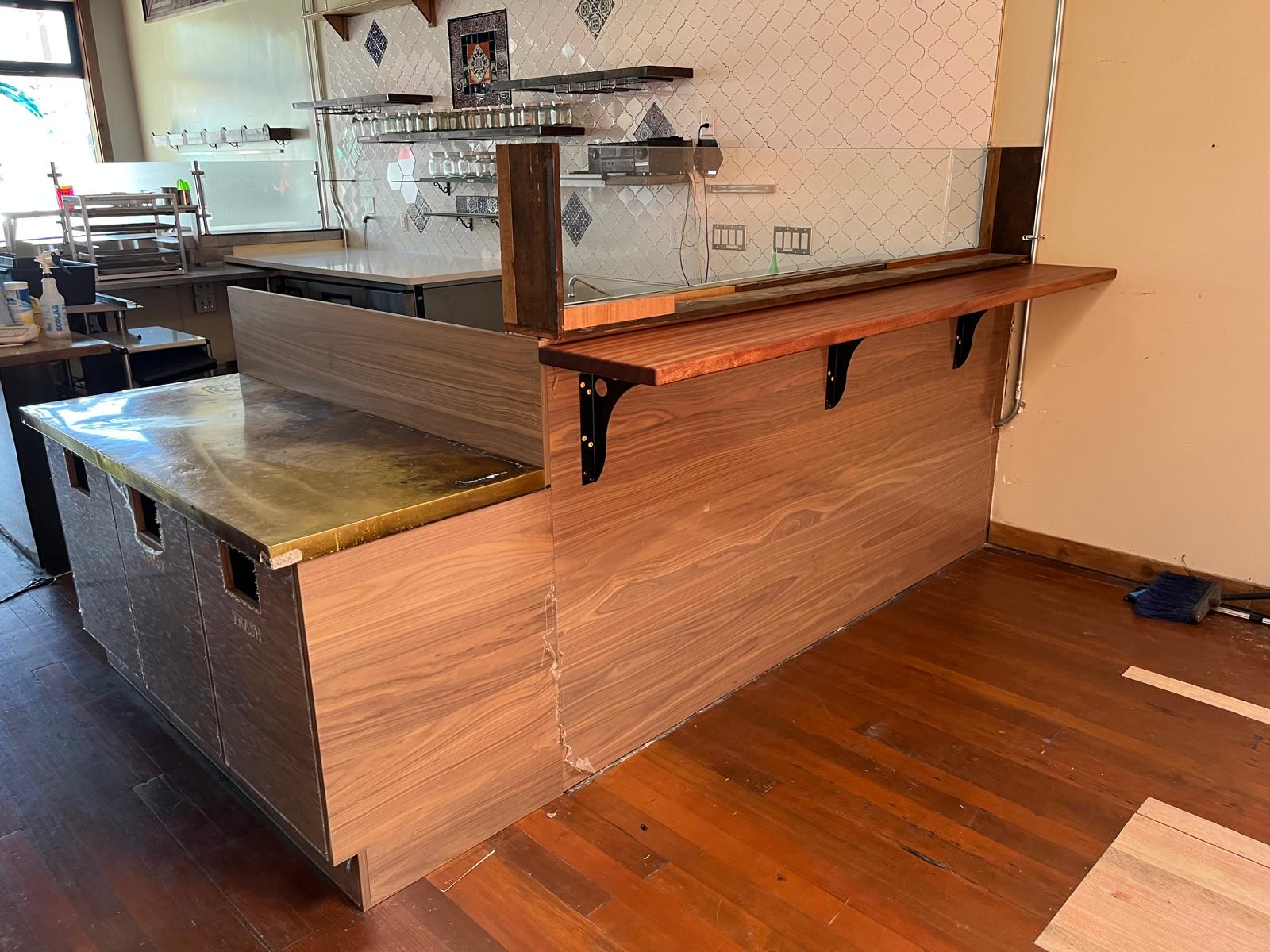
General building, insulation, millwork and plumbing on one licence.
Four classifications means four of the trades on your project are ours rather than somebody else's calendar. Other trades come in only where the work sits outside them.
Questions
What homeowners ask.
What does a general contractor actually do?
Holds the prime contract for the whole of the work, pulls the permit in their own licence, sequences the trades around the inspection points, controls the site, administers requests for information and change orders, and closes the project out. The sequencing is the part people underestimate: each inspection gates the next stage, and a missed order means opening up finished work.
How do I check a contractor's licence in California?
Search the licence number at cslb.ca.gov. Confirm it is active, check the expiry date, and confirm the name on the licence matches the name on the contract you are signing. A licence held by a different entity is not your contractor's licence. Also check the classification actually covers your work, because a classification is a scope rather than a badge.
What is Ecostep's licence number?
CSLB #1006147, held by Ecostep, Inc., a California corporation. It is active and expires on 31 August 2027, and it carries four classifications: B general building, C-2 insulation and acoustical, C-6 cabinet, millwork and finish carpentry, and C-36 plumbing. Amer Abusafieh is President and responsible managing officer and has been a licensed California general contractor since 2003.
What is the maximum deposit a California contractor can ask for?
Under Business and Professions Code section 7159.5, the down payment on a home improvement contract may not exceed $1,000 or 10 per cent of the contract price, whichever is less. On a $60,000 kitchen that means $1,000, not $6,000. The statute also requires that limit to be stated in the contract in bold type, and the cap applies whatever a contract says. Breaches can be reported to the CSLB.
What has to be in a California home improvement contract?
It must be written, legible, signed by both parties, with a signed copy given to you before work begins. It must include the contractor's name, business address and licence number, a thorough description of the work with a start date and an estimated completion date, the address for a notice of cancellation, the down payment limit in bold type, a schedule of progress payments, and a mechanics lien warning. Notice of your right to cancel must also be included.
What is a mechanics lien, and how do I protect myself?
A claim against your property by a party who supplied labour or materials and was not paid, even if you paid your contractor. A home improvement contract has to carry a mechanics lien warning. On paying for a completed phase you are entitled to lien releases, and you may withhold further payment until they are provided. Collecting those releases as you go is the practical protection.
Can progress payments be larger than the work completed?
No. The contract must contain a schedule of progress payments and each payment may not exceed the value of the work and materials actually incorporated into that phase. Beyond the capped down payment you should not be paying ahead of the work. This is set out in the CSLB's own guidance as well as in the code.
Should I pull the permit myself as an owner-builder?
Usually not. As owner-builder the permit is in your name, so code compliance and every development standard sit with you rather than with a licensed contractor. You also coordinate the trades and the inspection sequence yourself, and the consumer protections that apply between a homeowner and a licensed contractor work differently. Only a licensed party holding the right classification can pull the permit.
What is the difference between a B licence and a C classification?
B is general building and allows a contractor to hold the prime contract on a complete structure. A C classification is a specialty trade: C-36 plumbing, C-10 electrical, C-2 insulation and acoustical, C-6 cabinet and millwork. A specialty contractor cannot lawfully take the prime contract on a whole building. If somebody is bidding your entire remodel without a B, that is worth a question.
Why does holding four classifications matter?
Because the inspection sequence does not care whose calendar is full. Rough plumbing has to pass before insulation, and insulation before drywall. On a contract where the plumber and the insulation contractor are two separate subcontractors, that is where the schedule slips. Ecostep holds B, C-2, C-6 and C-36, so four of those trades are ours. Others come in only where the work sits outside them.
How do I compare two bids fairly?
Look at whether each bid breaks the work into trade divisions and whether overhead and profit is shown as its own line. When overhead and profit is spread invisibly through the trades, two bids with the same total can mean completely different things and you have no way to see which has priced the actual work. Also check that mobilisation, site protection and administration appear at all, because a bid without them has either hidden that cost or not planned for it. Our construction process page sets out the twelve divisions a bid should contain.
Do you subcontract, and how much?
Yes, for trades outside our four classifications, electrical being the obvious one. The framing, insulation and acoustical work, cabinetry and millwork, and plumbing sit with us under CSLB #1006147. A California home improvement contract is also required to identify subcontractors performing work, with their licence numbers and classifications.
What projects do you take on?
Accessory dwelling units, home additions, kitchen and bathroom remodels, whole-house remodels, and custom cabinetry and millwork, all as design-build. Recorded values across our residential building permits run from $25,000 to $210,000. Our industrial and mechanical insulation division operates separately at ecostepinc.com.
Which areas do you work in?
Contra Costa, Alameda, San Francisco, San Mateo, Santa Clara and Marin counties. Our permitted residential work on public record sits in Alameda, Berkeley, Concord, Fremont, San Francisco, Belmont and San Leandro.
Related
Start here
Tell us the address and what you are thinking about.
We will walk the property, tell you what is feasible there, and set out the scope and the price in writing before you commit to anything.
- Phone925-628-4860
- Emailinfo@ecostepinc.com
- Service areaContra Costa, Alameda, San Francisco, San Mateo, Santa Clara and Marin counties